Before immigrating to the States, I didn’t fully understand the art of drag. I also believed life in America would be free of hate and bigotry — alive with freedom and liberation. In recent years, I’ve learned otherwise. Drag artists are frontline fighters in the ongoing battle for LGBTQ rights. Homophobia, transphobia, and dragphobia are still very real. Violence, hatred, loneliness, and lack of support persist—yet artists continue to fight. They fight to survive, to create, to do what they love, even when it doesn’t sustain them. Their inner struggles must be acknowledged, so we can keep uprooting homophobia, transphobia, dragphobia, racism, sexism, ableism, abuse, and every form of hate. The fight must go on. Education must go on. Because beneath skin and makeup, we are all human—with feeling and beating hearts.
We are at a politically critical time where drag itself is under attack. Performers are being vilified with absurd claims of predatory behavior and accused of spreading false, “contaminating” propaganda—particularly toward children. Anti-drag legislation, the erosion of trans and LGBTQ rights, and the rise of open bigotry all mark this as a dangerous moment for queer art and freedom of expression. This film responds directly to that urgency.
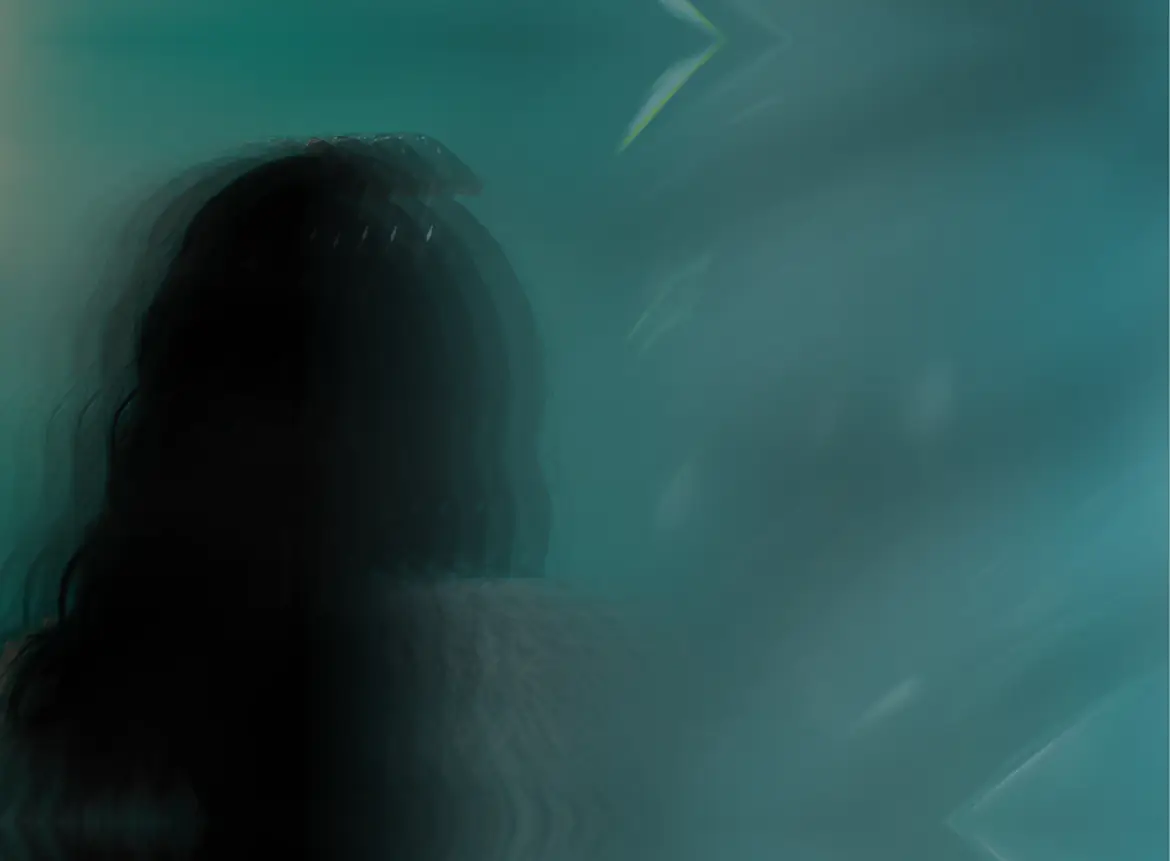
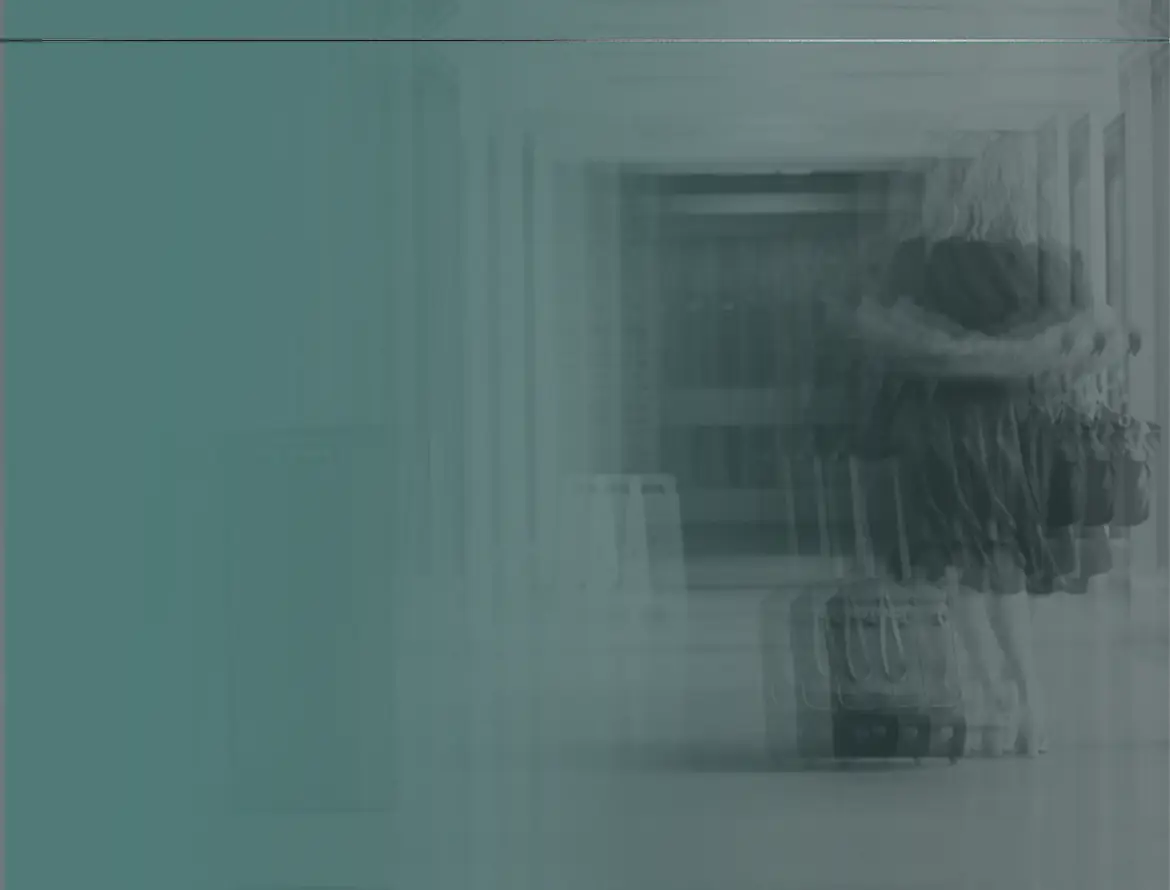
Creatively, the film embraces both raw honesty and stylized experimentation. It seeks to symbolize the duality of the artist—the inside and the outside, what people see and what they do not. It explores the pain, struggle, and resilience that linger beneath the surface, drawing inspiration from experimental cinema, stylized visuals, and music video aesthetics. While drag artists’ voices remain central, the scope expands to encompass the broader LGBTQ community—spotlighting political oppression, gun violence, economic hardship, familial pressures, and the weight of past trauma, all against the backdrop of finding joy in the present.
The film is made for everyone: lawmakers, filmmakers, children, allies, the general public, and most importantly, the LGBTQ community itself. Its aim is to dismantle false narratives and harmful stereotypes, while building bridges of empathy and compassion across divided groups. At its core, it is both an urgent call for awareness and a celebration of queer resilience, paying homage to the strength of a community that has endured and prevailed through history.
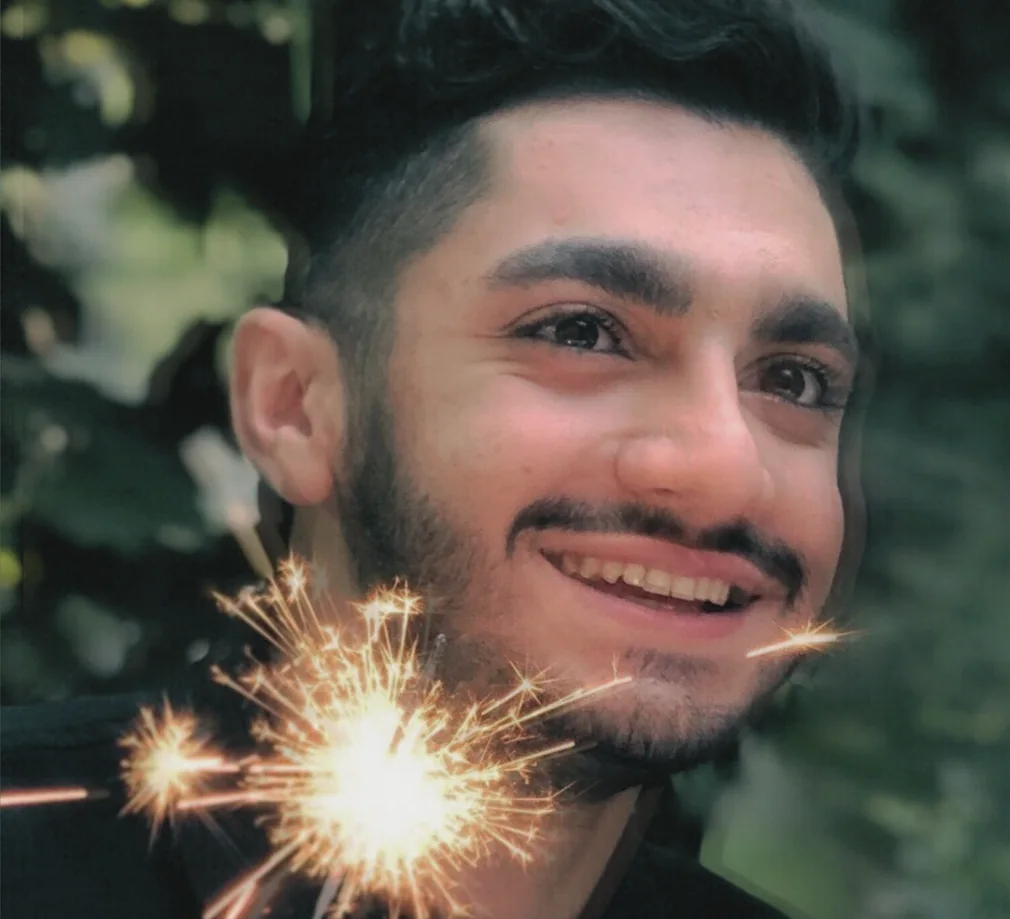
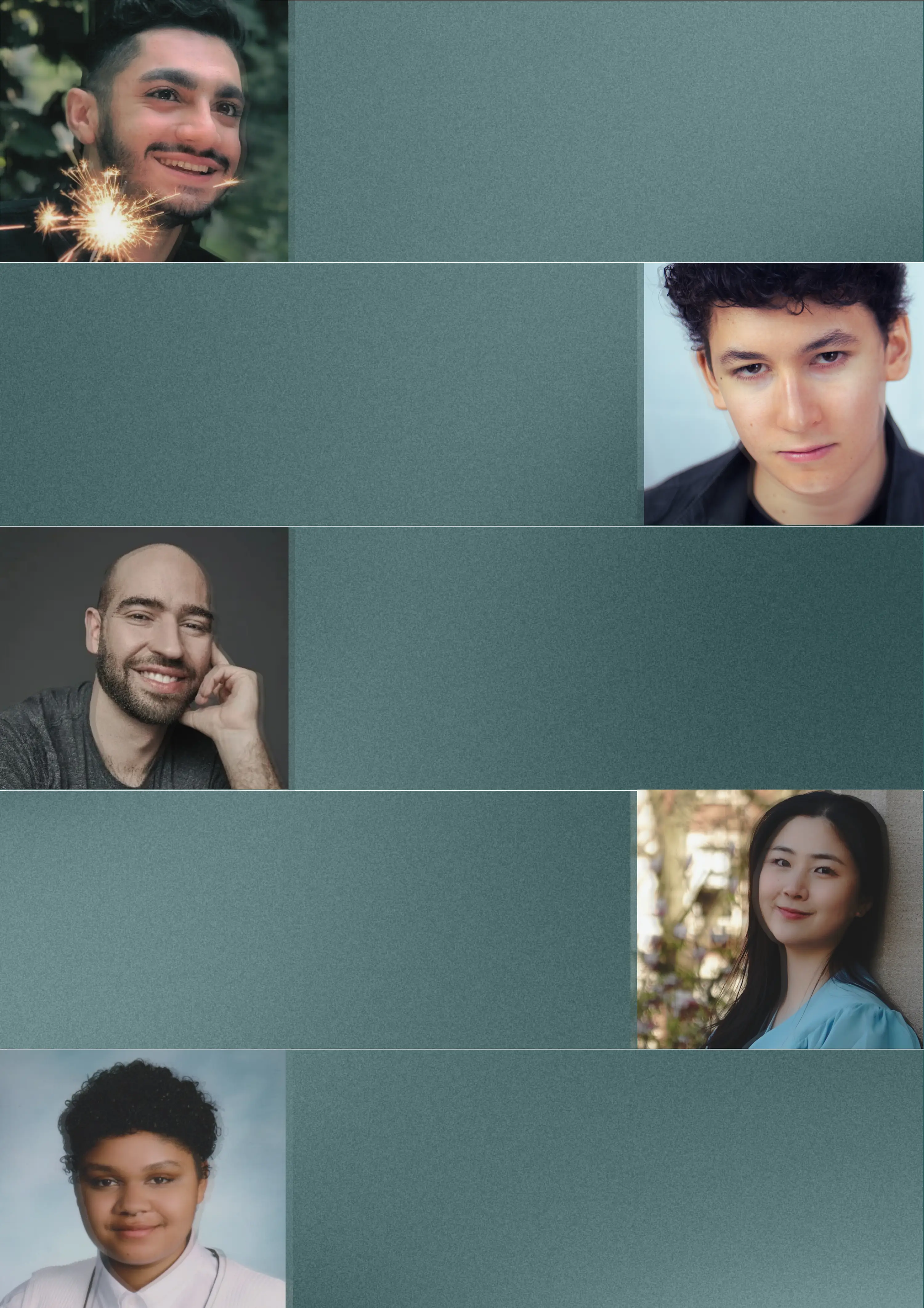
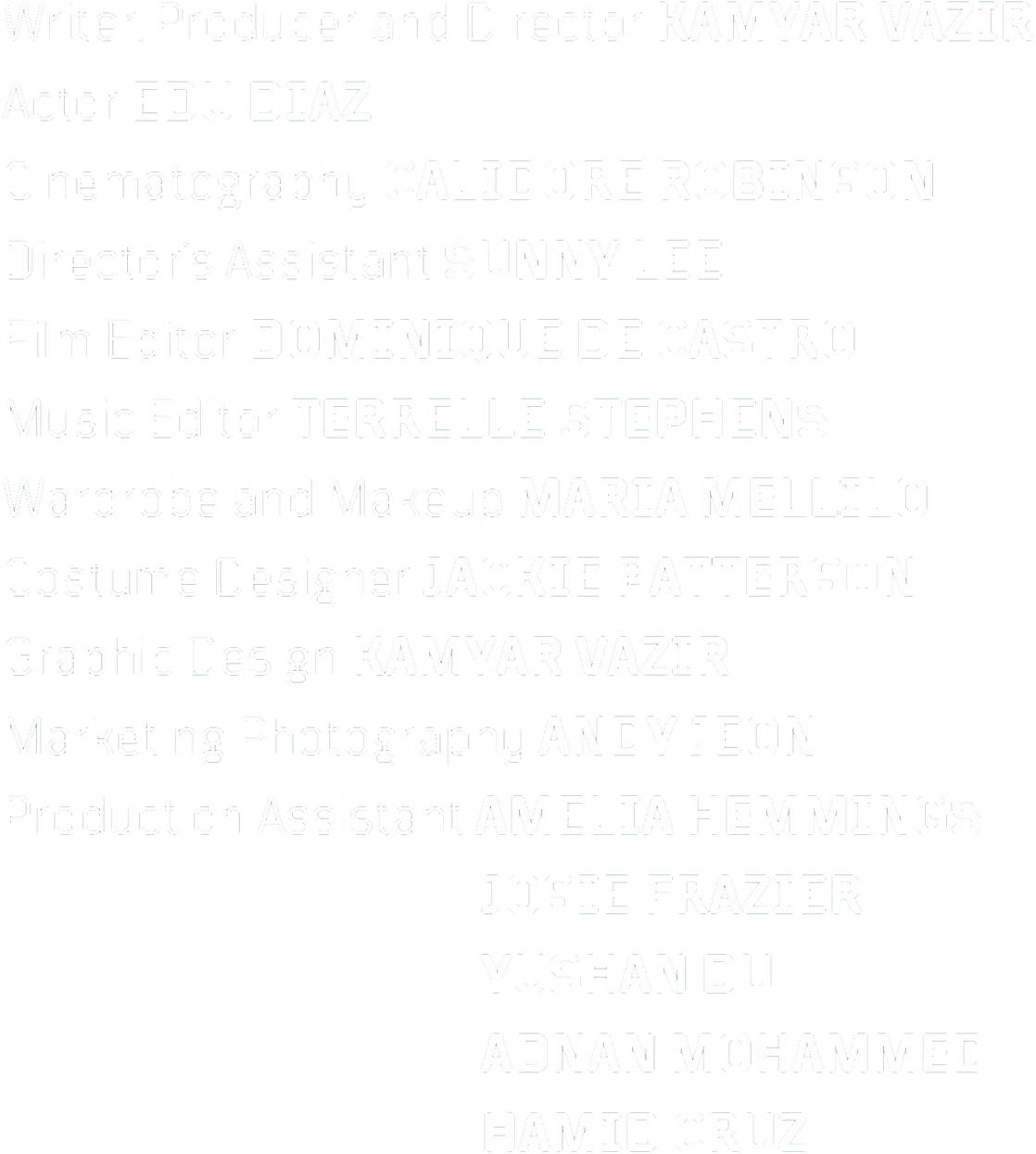
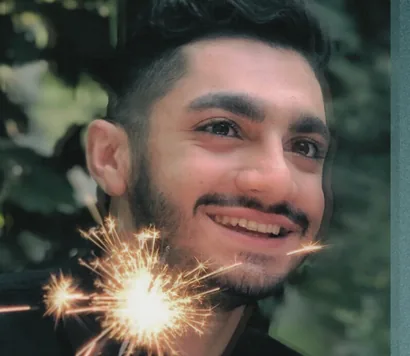
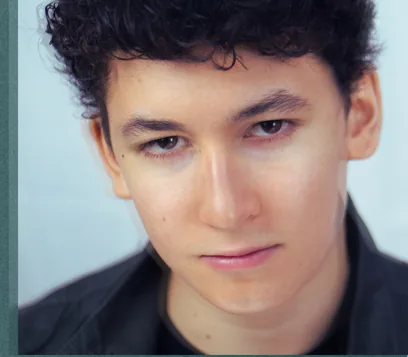
Born in Tehran, Iran, Kamyar Vazir is a director, producer, and writer earning a degree in film and media studies from Columbia University with a focus on business, management and sociology. His stories are highly influenced by symbolism, absurdity, surrealism, myth and comedy with an aim to amplify the stories and voices of real world people from all over the world.
Vazir continues to develop a career within the film industry with more work in development for future release.
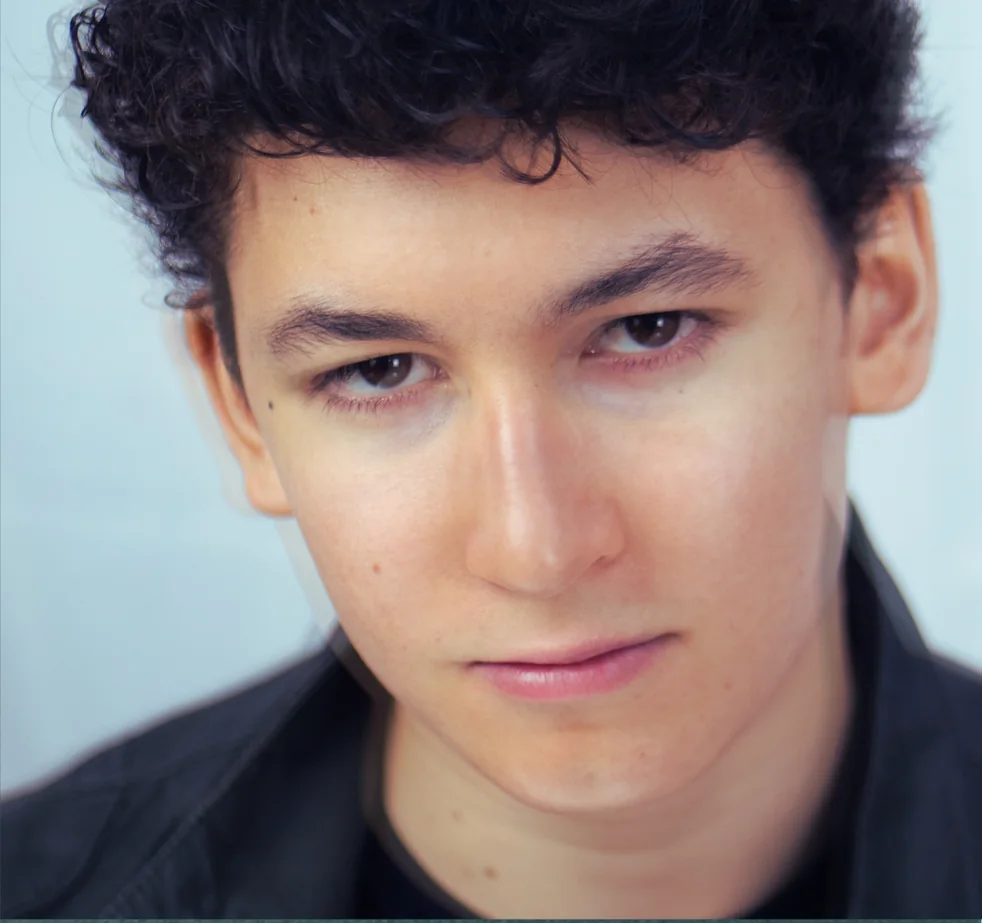
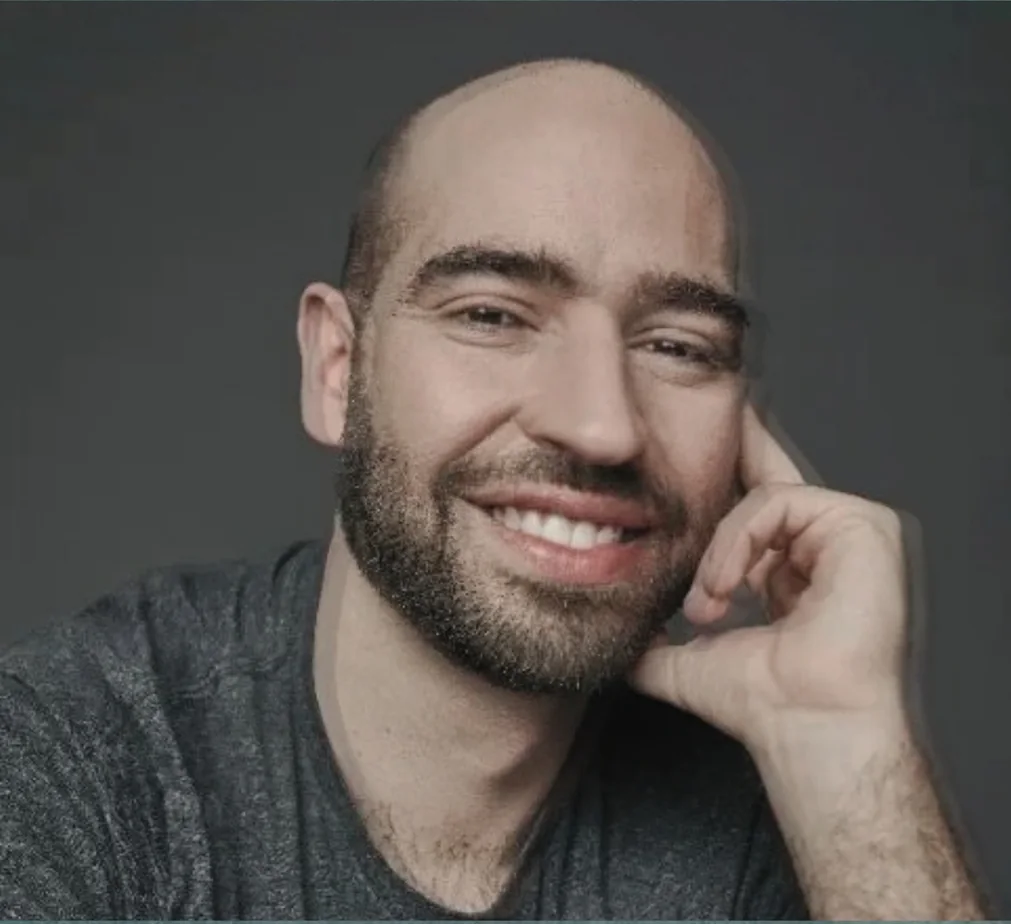
Calidore Robinson’s professional film career began in the fifth grade when he booked a small role in the feature film Joy, alongside Jennifer Lawrence. Since then, Calidore has acted in several TV shows, commercials, and feature films, and is now a member of the Screen Actors Guild. Calidore discovered a love for filmmaking while creating short movies and continued to work his filmmaking craft on YouTube, where he has published hundreds of videos and several short films. At Columbia, Calidore advanced his skills as a director and cinematographer, thanks to his experiences collaborating with other talented filmmakers.
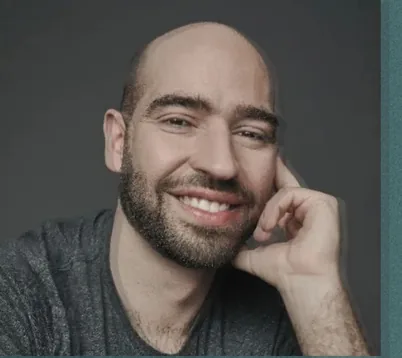
Edu Díaz is an actor and theatermaker from the Canary Islands based in New York City. His screen credits include Smoking Club (129 Rules) and Third Week, alongside more than a decade of professional work across film and theater in the U.S. and Spain. A Fulbright Performing Arts grantee, Edu has developed a performance practice rooted in character work, physicality, and emotionally complex storytelling with masters such as Susan Batson and Fernando Piernas. His recent stage work includes the award-winning solo shows A Drag Is Born and LIPSTICK.
instagram.com/edudiazactoredudiaz.com
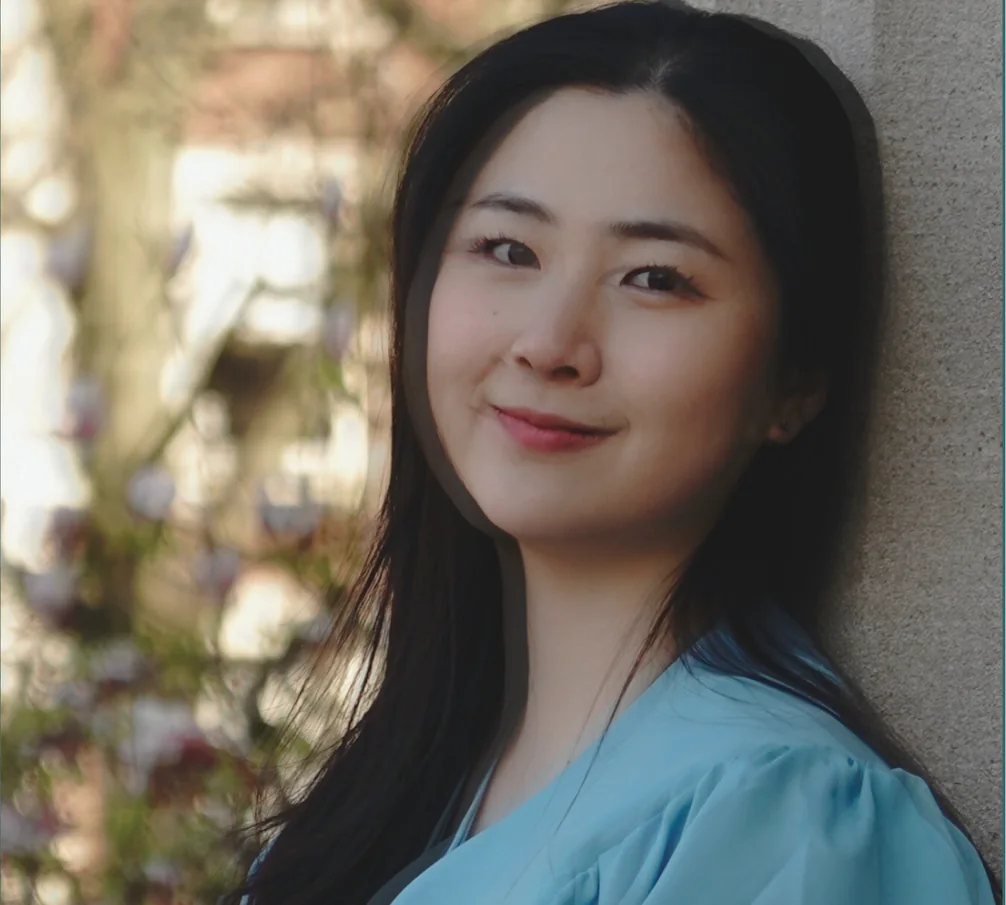
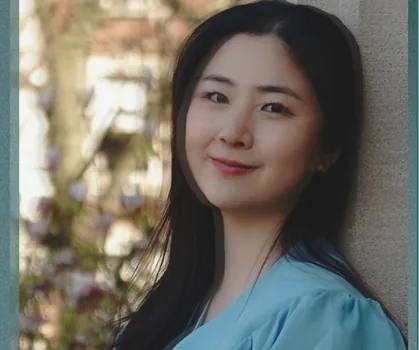
A recent graduate of Columbia University, Sunny is a creative soul who always aspired to be a storyteller. For this particular short film, starting as a production assistant, to a makeup artist, and finally to an assistant director, she made herself a crucial part of the team. on our intense emotional journey.
On the side, she writes poems, short stories, plays, and scripts. She is currently focusing on legal filed since her goal is to be an entertainment lawyer, protecting all the independent, small artists.
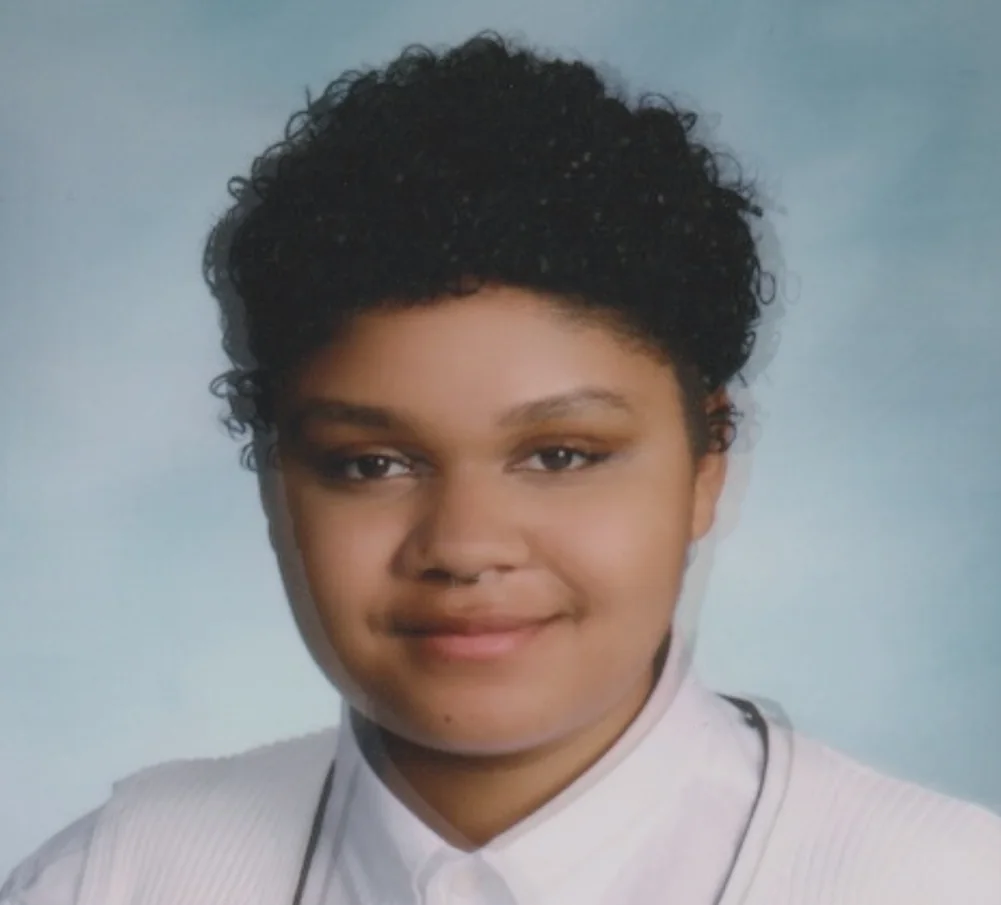

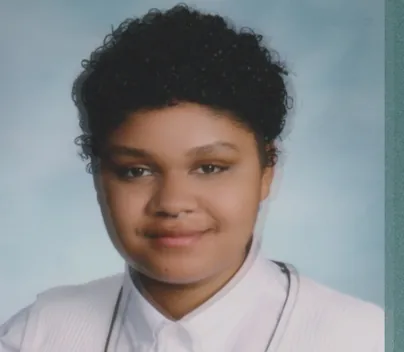
Dominique de Castro is a filmmaker, screenwriter, and editor. They graduated with honors from Columbia University with a BA in Film and Media Studies and a concentration in Ethnicity and Race Studies. They have directed narrative and documentary short films including their upcoming work, Bracelet. Their other films include “Act II: Life After 65”, and “Progress Isn’t Always Progress”, a documentary short which was exhibited at El Museo De Los Sures in 2022. Dominique extends their editing abilities to creating social media content as well. They also dabble in photography and website design.